What to Do During a Lockout: Staying Safe While You Wait
Being locked out of your home, car, or office is frustrating and often stressful. Whether you left your keys inside, the lock jammed, or the fob stopped working, the immediate reaction is usually panic. But the moments while you wait for help matter. Staying safe during a lockout is about making calm, smart choices that protect you and your property until a professional arrives.
Step One: Pause and Assess Your Surroundings
The first thing to do is stop and take a breath. Look around. Where are you locked out of, and what time is it? If you are locked out of your car in a well-lit parking lot during the day, the situation is different from being locked out of your home at night in a quiet street. Your safety plan changes with these details.
Check if you are in a safe position to wait. If you are in a driveway or a sidewalk, move to a spot where you are visible to neighbors or passing traffic but not blocking anything. Avoid standing directly in the road or near a corner where drivers might not see you. If you are in a parking lot, stay near your vehicle if it is safe, but do not sit inside a locked car with the engine running if you are waiting for a locksmith. That can lead to carbon monoxide buildup. Instead, stand a few feet away, keeping the car in sight.
For a home lockout, check if there is a neighbor you trust who can let you wait inside. A porch or a garage with a door that opens might be an option. Do not break a window or force a door open. That can cause injury and expensive damage, and it might not even work. If the lock is a simple spring latch, forcing it could damage the door frame or the lock itself, making the repair cost more than a locksmith visit.
Step Two: Secure Your Valuables and Personal Items
While you wait, keep your phone, wallet, and keys with you. Do not leave them in a bag on the ground or on a nearby bench. A lockout can attract attention, and an unattended bag is an easy target. If you have a purse or backpack, keep the strap over your body or hold it in front of you.
If you are locked out of your car and have a spare key hidden somewhere - like a magnetic box under the chassis - now is the time to retrieve it. But if you do not have one, do not try to pry open the door with a coat hanger or a wedge. Modern car locks and door handles are often designed to resist these methods, and you can scratch the paint or damage the window seal. Let a professional handle the entry.
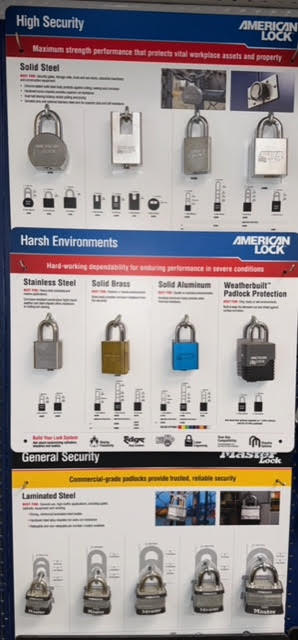
For a home lockout, check if you have a spare key with a neighbor or in a lockbox. If you do, great. If not, call a locksmith. Many people also keep a spare key in a garden gnome or under a mat, but those are the first places a burglar checks. If you have a key hidden outside, get it. Otherwise, do not waste time searching.
Step Three: Call a Reputable Locksmith
Once you are in a safe spot and have secured your belongings, it is time to call for help. Look for a locksmith that offers emergency locksmith services. These companies specialize in rapid response for lockouts, often with mobile units that can reach you within 15 to 30 minutes, depending on your location and traffic.
When you call, be ready to give your location clearly. If you are on a street, say the cross street or a landmark nearby. For an apartment complex, give the building number and apartment number. For a car lockout, provide the make, model, and color of the vehicle, and if possible, the license plate number. The more details you give, the faster the locksmith can prepare the right tools.
You will also need to verify your identity. A professional locksmith will ask for proof that you own the property or the vehicle. This is a standard safety step to prevent unauthorized entry. For a home, a driver's license with the address, a lease agreement, or a utility bill works. For a car, the vehicle registration and your ID are usually enough. Have these ready on your phone or in hand. If you do not have them, the locksmith may ask you to email a photo or they may check through a third-party database. Do not be offended by this; it is for your protection.
Step Four: Stay Visible and Communicate
While you wait, keep your phone charged and nearby. Let the locksmith know if your location changes or if you see the arrival vehicle. If you are waiting in a dark area, turn on your phone's flashlight or a small pocket light. This makes you visible to the locksmith and to anyone passing by, which adds a layer of safety.
If you are in a parking lot or on a busy street, stand where you can watch for the locksmith's van. Do not wander off. The locksmith will likely call or text when they are a few minutes away. Stay put. If you have to move, let them know immediately.
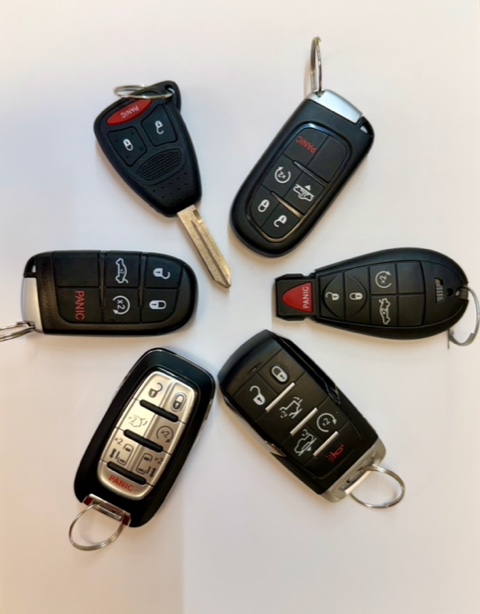
Okey Locksmith provides 24/7 mobile automotive, residential, commercial, access control, and emergency locksmith services in Oklahoma City and nearby communities. If you are in that area, they can help you get back in quickly and safely. But regardless of who you call, the key is to have a clear line of communication and to trust the process.
Step Five: Know What to Expect During the Service
When the locksmith arrives, they will assess the lock. For a car lockout, they may use a slim jim, an air wedge, or a specialized tool to manipulate the lock mechanism from the outside. For a home lockout, they might pick the lock, use a bypass tool, or in some cases, drill the lock if it is damaged or jammed. All of these methods are standard and safe when done by a trained professional.
Do not try to help by holding the door or pulling on the handle. That can interfere with the locksmith's work and could damage the lock further. Stay back a few feet and let them work. The whole process usually takes 10 to 20 minutes, sometimes less. If the lock is old or rusted, it might take longer. Be patient.
After the lock is opened, the locksmith will often test the lock to make sure it works properly. If the lock is broken, they can offer a replacement on the spot. They may also suggest rekeying if you lost your keys. Ask about these options if you think you need them.
Step Six: After You Are Back In
Once you are inside your home or car, take a moment to check that everything is in order. If you were locked out because the lock was faulty, consider having it repaired or replaced. A locksmith can advise you on the best lock for your door type. For cars, if the key fob battery died, replace it soon. If the key broke in the lock, the locksmith may have removed the pieces. Ask if any debris remains.
If you have a spare key, keep it in a safe but accessible place. A lockbox with a combination is a good option. You can also give a spare to a trusted neighbor. For cars, consider a spare key in a magnetic box hidden in a wheel well or inside a gas cap cover. Just make sure it is not obvious.
Finally, review what happened. Was the lockout due to a mistake, like forgetting your keys, or was it a hardware issue? If it was a hardware issue, get it fixed right away. A lock that fails once is likely to fail again. If it was a mistake, think about a routine. For example, always check for your keys before closing the door. A simple habit can save you time and stress.
Okey Locksmith, located at 3121 SW 29th St, Oklahoma City, OK 73119, USA, can be reached at +1 405-703-8943 for 24/7 mobile automotive, residential, commercial, access control, and emergency locksmith services in Oklahoma City and nearby communities.
Okey Locksmith is also on Facebook.